The quality of a bonded, painted or printed component depends on more than the adhesive, paint or ink used. The outermost few micrometres of the surface with which these materials come into contact are just as important. If the surface is contaminated, or a liquid cannot spread across it properly, the bond may be weak even when the substrate and adhesive meet their specifications. Industrial plasma surface treatment helps address this manufacturing challenge by cleaning and modifying the surface immediately before the next process step.
What does plasma do to a surface?
Plasma is a gas excited by electrical energy. The reactive particles it contains interact with the outermost layer of the workpiece. Depending on the technology and process settings, treatment can remove thin layers of organic contamination or change the surface’s chemical properties. The aim is often surface activation: improving the wetting and adhesion of an adhesive, coating or printing ink. Specialised processes can also create a thin functional layer.
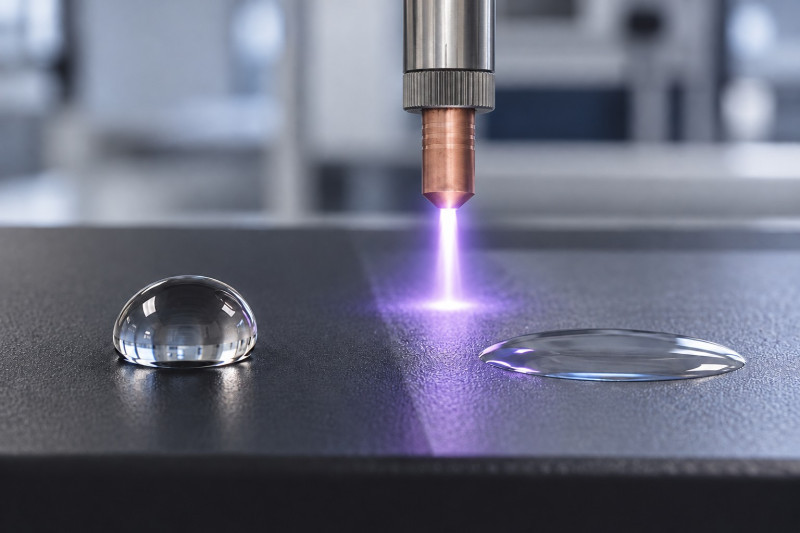
A simple example illustrates the difference. If a drop of liquid beads up on a plastic component, producing an even coating can be difficult. After suitable pretreatment, the drop may spread more readily. This alone, however, does not prove that the finished bond will perform well over the long term. That must be verified by testing the complete manufacturing process and the finished joint.
Why is it important in industry?
Many plastics are difficult to wet, while manufacturing residues or thin layers of contamination on metals can prevent reliable adhesion. Pretreatment becomes particularly important when joining different materials or when a product must withstand moisture, temperature changes and prolonged stress. Plasma treatment can therefore matter to both scrap rates and bond reliability.
One practical advantage of atmospheric plasma is that it operates at atmospheric pressure. With suitable equipment, it can be applied directly on the production line, including immediately before bonding or printing. In some applications, it may reduce the need for solvent cleaning or chemical primers. Whether it does so in practice must always be verified for the specific material and production line.
Where can it be used?
One of the most common applications is preparation for bonding and sealing. On plastic, metal, glass or composite components, properly configured plasma treatment can improve how an adhesive wets the surface. For similar reasons, it can be useful before painting, coating, marking and printing: even spreading and adhesion also affect the appearance of the finished surface.
In electronics and precision engineering, the goal may be to treat small, precisely defined areas. In packaging production, plasma treatment can be placed before printing or lamination. For prototypes and small production runs, a handheld device can help determine quickly whether treatment improves the next process step for a given pair of materials. Industrial uses of atmospheric plasma include cleaning, activation and coating, although these require different processes and settings.
What should be considered when introducing plasma treatment?
Define the problem precisely first. Weak bond strength, uneven paint coverage and inconsistent print quality may each call for a different treatment. Plasma does not automatically replace thorough cleaning of heavily contaminated parts.
Set up the process for the specific material. Treatment distance, travel speed, treatment width, process gas and workpiece geometry all matter. Thin or heat-sensitive plastics may require carefully chosen parameters to prevent the activation process from damaging the part.
Measure the treatment and test the finished product. Assessing surface energy, for example with test inks, can provide quick feedback on wettability. A final decision still requires bonding, coating or printing trials based on the product’s requirements. It is also worth establishing how much time may pass between plasma treatment and the next process step, as the condition of the treated surface can change during storage.
Workstation design is part of the solution. The electrical equipment, extraction and management of gases generated during the process must be planned for the chosen system and application. In automated production, recording process parameters also supports traceability.
What solutions does Ulbrich offer?
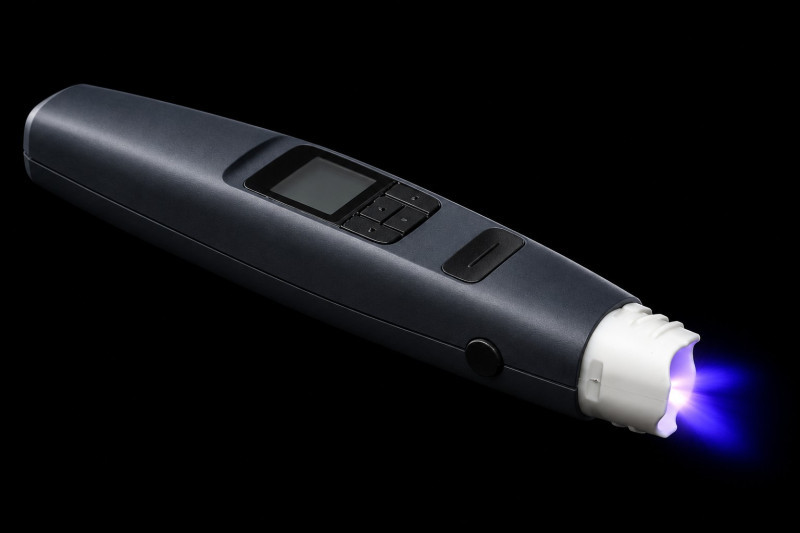
Ulbrich’s plasma surface treatment range includes solutions for different production scales. The piezobrush® PZ3 is a compact handheld cold-plasma device presented by the company for laboratory work, development and small production runs. It can therefore be suitable for initial material trials or targeted treatment of smaller areas.
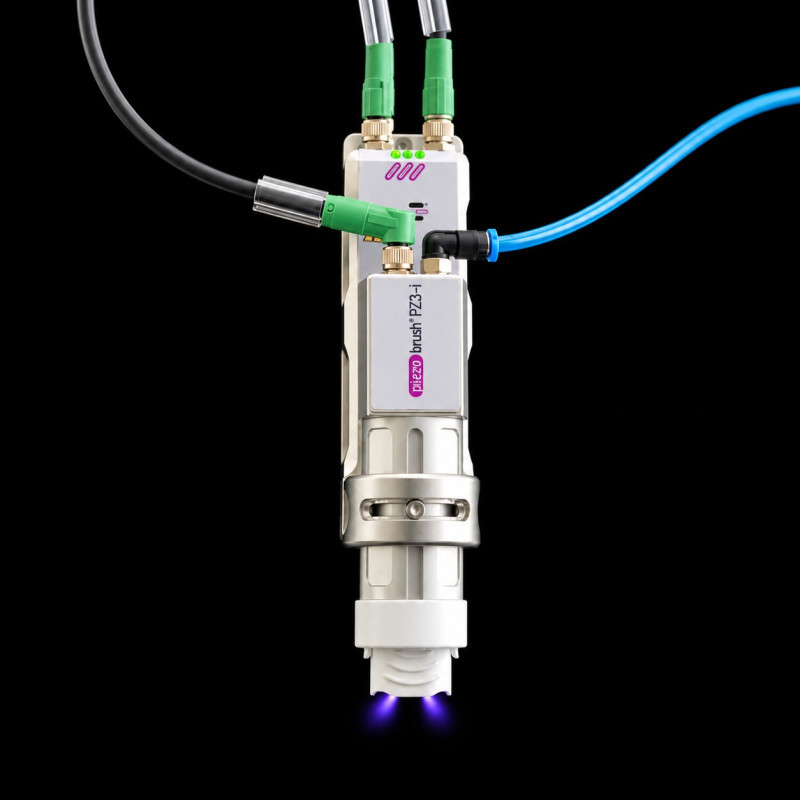
For series production, the range includes the piezobrush® PZ3-i, designed for integration into new and existing production lines. For higher-performance atmospheric plasma applications, Ulbrich also presents the PB3/PS2000 system and a selection of plasma nozzles. The product range further includes the mobile Plasmatool for manual industrial use, as well as automation solutions for plasma applications. Availability and the precise configuration should be confirmed when requesting a quotation.
For manufacturers considering the technology in greater depth, the best starting point is a specific workpiece and a measurable target, such as the bond strength or print quality required on a particular plastic. From there, it is possible to determine whether a handheld test device, a production-line unit or a more comprehensive automated system is the right fit. Ulbrich Kft.’s contact details are available on the company’s website.